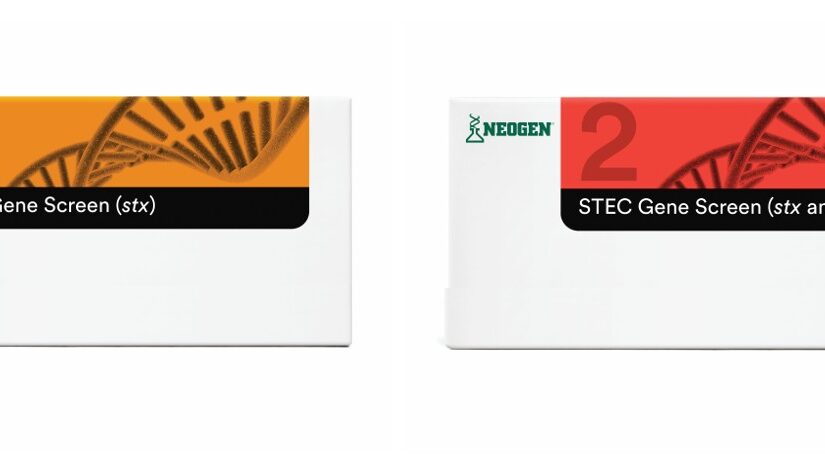
MicroVal Validation confirms performance of NEOGEN® Molecular Detection Assay 2 for STEC

A MicroVal validation study conducted by ADRIA has successfully evaluated the NEOGEN® Molecular Detection Assay 2 for the detection of Shiga-toxin-producing Escherichia coli (STEC) and Shiga-toxin gene (stx1 and stx2) and intimin gene (eae) from Shiga-toxin-producing E. coli STEC. The study was performance in accordance with ISO 16140-2 & ISO 16140-2/A1:2024 with ADRIA internal method based on ISO/TS 13136 (November 2012) as reference method. The study covered raw meat (except poultry) as well as fresh produces and fruits.

The validation scope included two alternative methods:

  • NEOGEN® Molecular Detection Assay 2 – STEC Gene Screen (stx)
  • NEOGEN® Molecular Detection Assay 2 – STEC Gene Screen (stx and eae)

After standardised enrichment steps using pre-warmed Buffered Peptone Water (BPW), DNA extraction was performed with the NEOGEN Lysis Solution, followed by LAMP-based detection targeting stx alone or stx and eae genes. Confirmation of presumptive results was carried out by direct streaking on selective agar and molecular confirmation using the same NEOGEN® assays.

Results demonstrated that the NEOGEN® Molecular Detection Assay 2 provides a reliable and efficient alternative method for STEC detection across a broad range of food matrices. This validation reinforces the suitability of NEOGEN® Molecular Detection Assay 2 as a robust tool to support food safety testing and regulatory compliance for STEC monitoring.

The certificate and the detailed summary report, number 2020LR92, are available on our website.
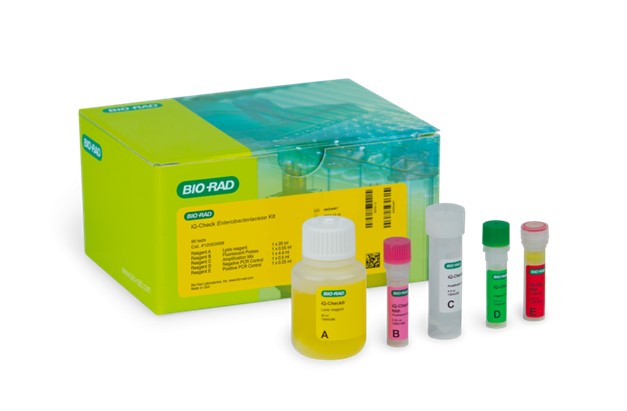
New certificate for iQ-Check EB for the detection of Enterobacteriaceae

MicroVal approved the issuing of a new certificate for iQ-Check EB for the detection of Enterobacteriaceae, manufactured by Bio-Rad Laboratories. As indicated by its name, this method is designed for the detection of Enterobacteriaceae in infant formula, infant cereals (with or without probiotics), and related ingredients with test portion up to 375 grams.

The study was performed by ADRIA, and conducted in accordance with ISO 16140-2:2016 and ISO 16140-2/A1:2024. The validation covered the following components:

  • iQ-Check Enterobacteriaceae kit
  • FDRS
  • CFX96 Deep Well and CFX Opus Deep Well PCR instruments

The method involves enrichment of samples in prewarmed Buffered Peptone Water (BPW) with a PIF supplement, followed by FDRS treatment, lysis, and PCR analysis. Positive PCR results are confirmed using either the reference method (ISO 21528-1:2017) or the alternative method based RAPID Enterobacteriaceae agar, where the presence of typical colonies confirms the result.

This validation confirms the reliability, robustness, and applicability of the iQ-Check EB method for detecting Enterobacteriaceae  in sensitive food matrices intended for infants.

An extension of the validation was approved in June 2025 for use with the updated CFX Maestro IDE software (version 4.0).

The certificate and the detailed summary report, number 2018LR80, are available on our website.